Freedom of Training
At the Division III level, you’ll typically practice less during the fall semester and winter compared to other levels of college baseball—NCAA Division I and II, NJCAA, and NAIA. Because of this, you have more flexibility and control over your independent training time.
This means you can experiment more, take ownership of your development, and ultimately decide how much time you want to invest in your game and what training style you implement.
You Decide How Much Being an “Athlete” Defines You
There’s a noticeable difference in how D3 athletes are perceived compared to D1 athletes. For example, being the shortstop at a D1 school often carries a bigger title and spotlight than being a quarterback at a D3 school like Oberlin College as you can imagine.
For some athletes, that difference is a plus. If you don’t want your entire identity wrapped up in being “the baseball player,” D3 can offer a more balanced experience. Being a D3 athlete is often more low-key, giving you the space to explore other parts of your identity outside of your sport.
Academic Rigor
Many D3 schools are smaller liberal arts colleges or technical institutions that emphasize education first before sport. This is reflected in both the less practice hours and more competitive admissions standards.
For student-athletes who want a strong academic experience alongside their baseball career, D3 schools offer an ideal environment.
Conclusion: Why D3 Might Be the Best Fit
In my opinion and from my experience, D3 baseball is ideal for the player who is self-driven, motivated to improve, and eager to take control of their own development.
You’ll get less structured practice time and less direct oversight from coaches, which to some might seem like a disadvantage. But for the right player, it’s an opportunity. If you’re the type who’s excited to train independently or with a few teammates using resources like Driveline, Tread Athletics, or other outside programs, you’ll have the freedom to shape your training schedule and approach.
Compare this to other levels, where you have organized team practice more and coaches often have greater control over your training. If your coach is open to modern training methods, that’s great—but if they’re rigid in their approach, it can be tough to explore what works best for you.
At D3, that autonomy is built in. For many players, that’s the key to unlocking their full potential.
-Sam

Pictured above is a throwing session during the off-season in which no coaches are allowed but players can attend to get their work in. All of the people in this photos are players.
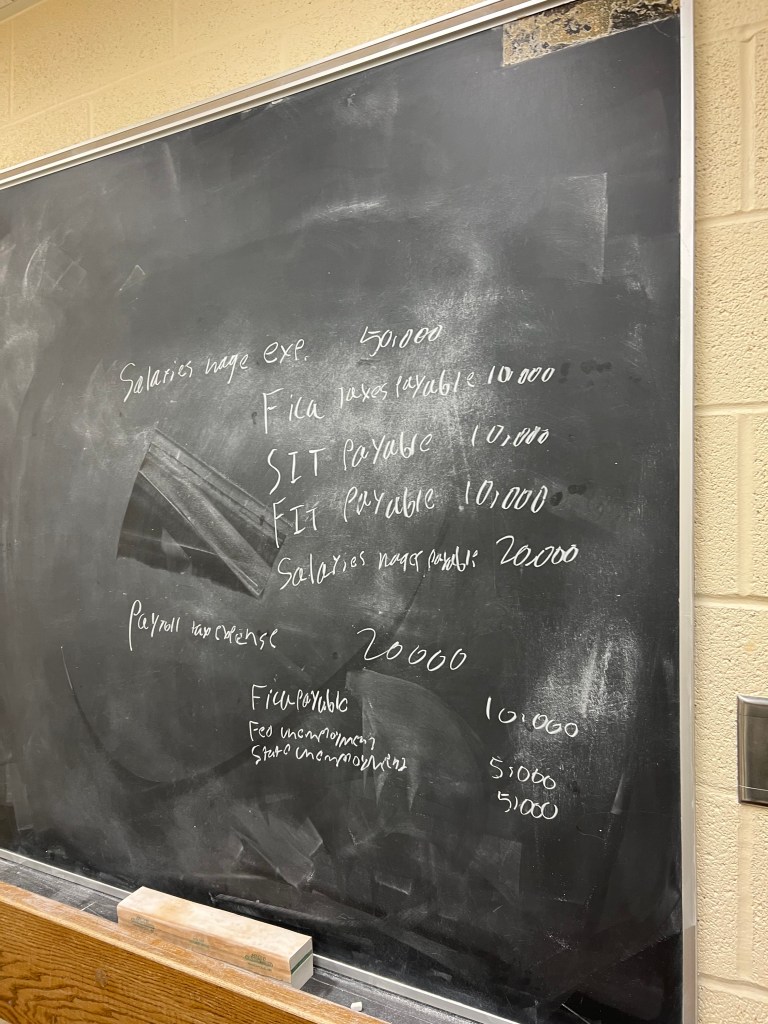
Pictured above is wipeboard I used in preparation for a Federal Taxation exam. This is what I spend a lot of my time doing off the field.


 AthleteBridge